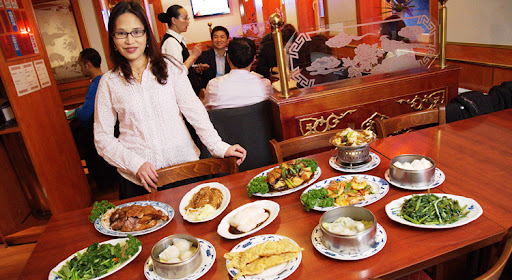
When you step into a china restaurant, you’re not just grabbing a bite to eat; you’re embarking on a culinary adventure that blends ancient traditions with modern flair. In Germany, the china restaurant has become a beloved staple, offering a gateway to the vibrant flavors of Chinese cuisine right in the heart of Europe. Whether you’re craving spicy Sichuan specialties or delicate Cantonese dim sum, these establishments promise an experience that’s as delightful as it is diverse. It’s no wonder they’ve grown so popular—after all, who wouldn’t want to explore a world of tastes that can brighten any day? This article dives deep into everything you need to know about the china restaurant, from its fascinating roots to tips that’ll make your next visit even better. Let’s uncover why the china restaurant continues to captivate diners across Germany and beyond.
The Rich History of China Restaurant in Germany
The story of the china restaurant in Germany is one of resilience and cultural exchange, starting way back in the early 20th century. Picture this: in 1923, one of the first Chinese eateries opened its doors in Berlin’s Kantstraße area, a spot already buzzing with a growing Chinese community. It was a modest beginning, but oh boy, did it set the stage for something big. By the swinging ’60s, around 1966, Germany boasted about 100 such spots, serving up dishes that were a novelty to many locals. Fast forward to 1992, and that number had skyrocketed to over 3,000, reflecting waves of immigration from China and Hong Kong.
What fueled this boom? Well, many Chinese students studying in Germany decided to open restaurants as a way to share their heritage while making a living. These weren’t just places to eat; they became cultural hubs where Germans could taste the exotic without hopping on a plane. Interestingly, the china restaurant scene flourished even more after the fall of the Berlin Wall, with influences from East Germany where Vietnamese and Chinese workers had settled earlier.
Today, you’d be hard-pressed to find a German city with over 15,000 residents that doesn’t have at least one china restaurant. Berlin alone has hundreds, often pairing bold Sichuan flavors with local wines for a unique twist. This growth isn’t just about numbers—it’s about how these restaurants have woven themselves into the fabric of German life. During Christmas, for instance, many families swap traditional roasted goose for Beijing roast duck at a china restaurant, turning it into a festive ritual. It’s heartwarming to see how something from far away can feel so at home, don’t you think? The history shows that the china restaurant isn’t fading anytime soon; if anything, it’s evolving to meet new tastes while honoring its origins.
The Allure of China Restaurant Cuisine
Ah, the cuisine at a china restaurant—it’s like a symphony of flavors that dances on your palate. What makes it so irresistible? For starters, Chinese cooking emphasizes balance, drawing from regions like Canton, Sichuan, and Shanghai, each bringing its own zest to the table. In Germany, many china restaurants specialize in Cantonese styles, thanks to the diaspora, but you’ll also find fiery Sichuan options that pack a punch with chili and numbing peppercorns.
Transitional phrases aside, let’s talk about the freshness factor. Ingredients are often stir-fried quickly to retain nutrients and crunch, creating dishes that are as healthy as they are tasty. And hey, don’t overlook the communal aspect—meals are shared, fostering a sense of togetherness that’s perfect for family gatherings or catching up with friends. In Berlin’s hotspots, you’ll see menus blending traditional recipes with local touches, like pairing spicy beef with a crisp German Riesling. This fusion keeps things exciting, proving that china restaurant cuisine isn’t stuck in the past; it’s boldly stepping into the future.
Moreover, the variety is endless. From steaming hot pots where you cook your own ingredients at the table to delicate soups simmered for hours, there’s something for every mood. Optimistically speaking, this diversity means you can always discover something new, turning each visit into an adventure. Whether you’re a spice lover or prefer milder fares, the allure lies in how these flavors transport you, making the ordinary extraordinary.
Iconic Dishes You Must Try at a China Restaurant
Venturing into a china restaurant without knowing what to order? No worries—here’s a rundown of must-tries that highlight the best of Chinese fare adapted for German palates. These dishes aren’t just popular; they’re gateways to understanding the depth of this cuisine.
First up, Beijing roast duck, a crispy-skinned delight that’s often the star during holidays. Then there’s sweet and sour pork or chicken, a tangy favorite that’s become a staple in many spots. For something spicy, try twice-cooked pork or fish fillets in hot chili oil—bold and unforgettable. Dim sum, those bite-sized steamed treasures, are perfect for brunch, especially in Cantonese-focused eateries.
To make it clearer, here’s a handy table of popular dishes:
| Dish Name | Description | Region Influence | Why It’s Popular in Germany |
|---|---|---|---|
| Beijing Roast Duck | Crispy duck served with pancakes, scallions, and hoisin sauce | Northern China | Replaces traditional goose during Christmas; rich and festive |
| Sweet and Sour Chicken | Battered chicken in a tangy sauce with peppers and pineapple | Cantonese | Familiar flavors, appeals to families; often customized |
| Sichuan Hot Pot | Simmering broth with meats, veggies, and spices | Sichuan | Interactive dining; warms you up in cold German winters |
| Dim Sum (e.g., Dumplings) | Steamed or fried parcels filled with shrimp, pork, or veggies | Cantonese | Weekend brunches; variety in one sitting |
| Twice-Cooked Pork | Pork belly stir-fried with veggies and chili | Sichuan | Bold spices; satisfying and hearty |
These selections show how china restaurant menus cater to diverse tastes, ensuring everyone’s happy. Pro tip: Start with spring rolls as an appetizer—they’re crunchy, fresh, and set the tone for a great meal.

The Inviting Ambiance of a China Restaurant
Step inside a typical china restaurant, and you’re greeted by an atmosphere that’s warm and welcoming, like a hug from an old friend. Wooden panels, red lanterns, and intricate carvings often adorn the walls, evoking the elegance of ancient China while fitting seamlessly into German urban settings. It’s not uncommon to see round tables with lazy Susans in the center, encouraging sharing and conversation.
In places like Berlin’s Kantstraße, the vibe mixes traditional decor with modern touches—think soft lighting and perhaps a fish tank bubbling away. This setup isn’t just for show; it enhances the dining experience, making you feel transported yet comfortable. And let’s not forget the background music, subtle and soothing, that adds to the optimism of discovering new flavors.

Health Perks from Dining at a China Restaurant
Who knew that indulging at a china restaurant could be good for you? Traditional Chinese cuisine packs a punch with health benefits, thanks to its focus on veggies, tofu, and seafood—all linked to lower heart disease risks. Ingredients like ginger and garlic boost immunity, while the balance of yin and yang foods promotes overall harmony.
- Vegetables galore: Stir-fries loaded with broccoli, bok choy, and peppers provide vitamins and fiber.
- Lean proteins: Tofu and fish offer heart-healthy options without heavy fats.
- Herbal elements: Teas and spices aid digestion and reduce inflammation.
Studies suggest adhering to this diet can help manage weight and prevent chronic issues. So, next time you’re at a china restaurant, pat yourself on the back—it’s a step toward wellness!
Essential Etiquette for Your China Restaurant Visit
Navigating etiquette at a china restaurant? It’s easier than you think, and mastering it shows respect that enhances the fun. Remember, meals are communal, so use serving chopsticks to avoid “digging” for favorites. Wait for elders or hosts to start eating—it’s a nod to hierarchy.
Chew with your mouth closed, and don’t waste food; it’s considered polite. If using chopsticks, avoid pointing them at people or sticking them upright in rice. And when toasting, hold your glass lower than your host’s as a sign of humility. These tips turn a meal into a cultural exchange, full of positive vibes.
Tips for Selecting the Perfect China Restaurant
Finding the right china restaurant? Look for authenticity—check if ducks hang in the window or if the menu features regional specialties. Read reviews on sites like TripAdvisor for gems in Berlin or Frankfurt.
- Crowded spots: Busy means fresh food.
- Menu variety: Opt for places with dim sum or hot pots.
- Hygiene: Cleanliness is key for trust.
With these, you’ll discover spots that shine.
The Bright Future of China Restaurant
Looking ahead, the china restaurant scene in Germany is poised for exciting growth. With more authentic options emerging, thanks to relaxed labor laws and innovative chefs, expect fusions that delight. Sustainability and health trends will shape menus, making them even more appealing. It’s a promising era for the china restaurant.
Fazit
In wrapping up, the china restaurant stands as a testament to cultural fusion and culinary joy in Germany. From its historical roots to health perks and inviting vibes, it offers endless delights. As tastes evolve, the china restaurant remains a beacon of optimism, inviting all to savor its wonders.
FAQs
What makes a china restaurant different from other Asian eateries? A china restaurant focuses on Chinese regional cuisines like Cantonese or Sichuan, often with communal sharing and fresh ingredients, setting it apart from broader Asian fusions.
Are china restaurants in Germany authentic? Many are, especially those run by immigrants, offering genuine dishes, though some adapt to local tastes for broader appeal.
Can I find vegetarian options at a china restaurant? Absolutely! Tofu stir-fries, vegetable dumplings, and noodle dishes abound, making it veggie-friendly.
What’s the best time to visit a china restaurant? Weekends for dim sum brunches or holidays like Christmas, when specials like roast duck shine.
How has the china restaurant evolved in Germany? From a handful in the 1920s to thousands today, it’s grown with immigration, blending traditions with modern twists for a vibrant future.